What Happens When a Guest Damages Your Property? Our Process, Step by Step
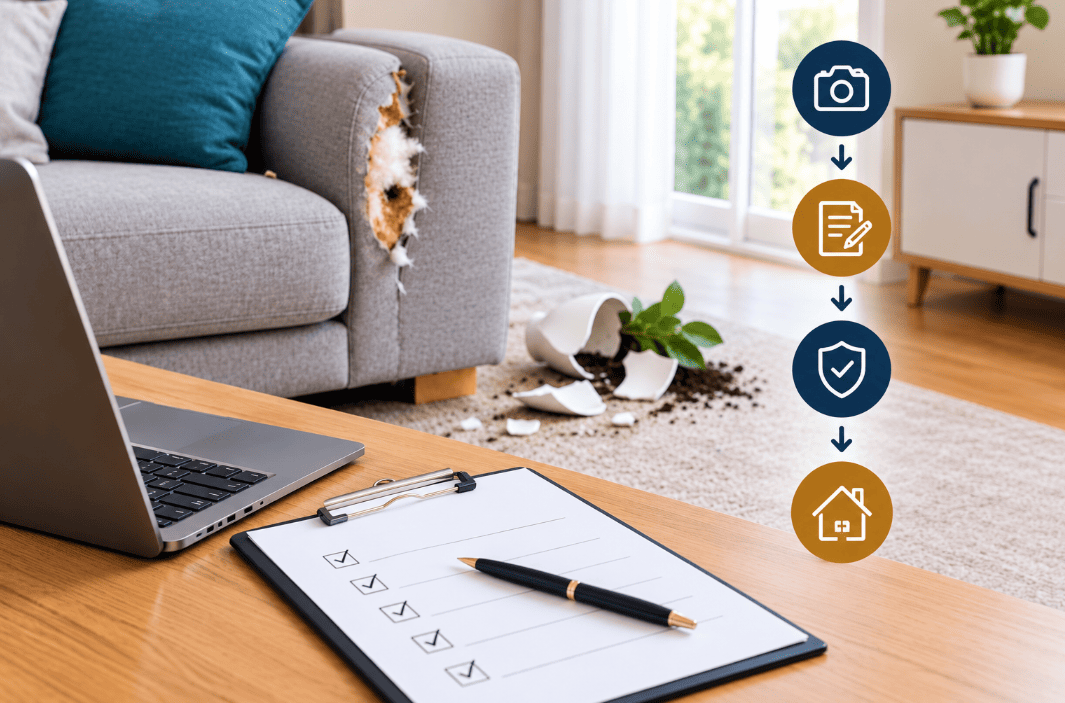
Guest damage is one of the concerns that can make property owners hesitate before turning their homes into short-term rentals. A damaged sofa, broken appliance, stained carpet, or missing item can mean unexpected expenses, repair coordination, and time away from managing your investment.
At TurnKey Stays, we understand that your property is more than a place for guests to stay. It is an investment that deserves careful attention.
Our approach to short-term rental management is designed to help owners respond to property issues, coordinate the next steps, and keep operations moving. Here is how we approach guest damage and what property owners should know about the process.
Step 1: Identify and Document the Damage
The first step is establishing what happened and the extent of the damage.
Damage may be discovered during a property inspection, housekeeping after checkout, or a maintenance visit. When an issue is identified, it is important to document it promptly.
Depending on the situation, documentation may include:
- Photos or videos showing the affected area or item.
- Notes describing the damage and where it occurred.
- Relevant housekeeping, maintenance, or inspection records.
- Receipts or other records that help establish an item’s value.
- Repair estimates or replacement costs, when available.
Clear documentation helps establish a record of the issue and supports decisions about repairs and any potential claim.
Step 2: Assess the Situation and Determine What Needs Attention
Not every incident requires the same response. A broken glass, damaged piece of furniture, and plumbing issue can have very different implications for the property and upcoming reservations.
We need to understand the nature of the damage, whether it affects guest safety, and whether the property can be prepared for its next stay.
If the issue presents a safety concern or could cause further damage, addressing that risk takes priority. For example, a leaking pipe may require prompt attention to prevent additional water damage.
The next steps depend on the severity of the issue, the condition of the property, and the timing of upcoming reservations.
Step 3: Review the Booking and Available Evidence
Once the damage has been documented, the relevant reservation details and supporting records can help clarify the situation.
Depending on the circumstances, this may involve reviewing:
- The reservation dates and guest communication.
- Property condition records from before and after the stay.
- Photos, inspection notes, or maintenance findings.
- Any applicable booking-platform damage policies and claim deadlines.
It is important to distinguish accidental damage, ordinary wear and tear, and issues that may be attributable to a guest. A property does not remain in perfect condition indefinitely, and not every repair is a guest-damage claim.
A careful review helps determine the appropriate response without making assumptions before the available information has been considered.
Step 4: Address Guest Communication and Potential Claims
When the evidence supports a possible guest-damage claim, the next step is to follow the applicable booking agreement and platform procedures.
Depending on how the reservation was made, the process may involve communicating with the guest, submitting documentation through the booking platform, or contacting the relevant protection provider.
If a reservation was made through Airbnb, review the official Host Damage Protection and reimbursement process to understand eligible damage, documentation requirements, and claim deadlines.
The outcome is not guaranteed. Eligibility, deadlines, required evidence, exclusions, and reimbursement limits vary by platform and protection arrangement.
That is why documentation and timely follow-up matter. Owners should not assume that every damaged item will automatically be reimbursed or that every protection program operates like a traditional insurance policy.
Step 5: Coordinate Repairs, Cleaning, or Replacement
Resolving the damage is just as important as documenting it.
Depending on the issue, the property may need additional cleaning, a maintenance visit, a replacement item, or a more extensive repair. The appropriate response depends on the condition of the property and the work required.
Our short-term rental management approach takes the property’s operating needs into account. Repair coordination may involve assessing the issue, obtaining estimates where appropriate, arranging qualified service providers, and determining whether the property is ready for its next reservation.
For larger repairs or costs that require owner approval, clear communication about the proposed work, timing, and expense is essential.
The goal is to address the problem responsibly while protecting the property’s condition and minimizing avoidable disruption to bookings.
Step 6: Keep the Property Owner Informed
Unexpected damage can raise several questions for an owner:
- What happened?
- How serious is the damage?
- What will the repair cost?
- Can the next guest still check in?
- Is a claim possible?
- Will the issue affect upcoming revenue?
Owners should receive clear information about the incident and the next steps appropriate to their management agreement.
The repair plan, expected costs, potential claim status, and reservation implications may all affect the decisions that follow. Keeping those details organized helps owners understand what is happening rather than having to coordinate every part of the response themselves.
Step 7: Review the Incident and Help Prevent Repeat Problems
After the immediate issue has been addressed, it can be useful to consider whether anything could reduce the likelihood or impact of a similar incident.
Depending on what happened, that may include reviewing check-in instructions, inspecting a frequently damaged item, updating property information, or adjusting housekeeping and inspection procedures.
Prevention cannot eliminate every incident. However, consistent property oversight and clear operating procedures can help identify problems earlier and support better decision-making over time.
Does Short-Term Rental Property Management Cover Guest Damage?
Professional short-term rental management can help coordinate the practical steps involved in responding to guest damage, but management services and financial protection are not the same thing.
A property management company may help document an incident, communicate with relevant parties, coordinate repairs, and follow the applicable claims process. Whether a guest or a protection program ultimately pays for the damage depends on the facts, applicable terms, and claim outcome.
Before choosing a management company, ask how it handles property inspections, damage documentation, repair approvals, owner updates, and booking-platform claims.
It is also worth reviewing any applicable insurance policy and platform protection terms. Owners should understand what is covered, what is excluded, and what financial responsibility they may still have.
Let TurnKey Stays Help Manage the Work Behind Your Rental
Owning a short-term rental should not mean handling every guest issue, maintenance request, and unexpected repair on your own.
TurnKey Stays helps property owners manage the operational responsibilities involved in short-term rentals, from guest support to property coordination. Our goal is to make rental ownership more manageable while giving your property the attention it needs.
If you are considering professional short-term rental management in St. Charles and the surrounding communities, we can help you understand how our services fit your property and goals.
Want to know what your property could earn with professional management?
Request Your Pro Forma to start a conversation with TurnKey Stays about your property, its potential, and the management support you need.
Property protection and reimbursement depend on the applicable insurance policy, booking-platform terms, and individual claim circumstances. No reimbursement is guaranteed.