How Much Time Does It Take to Manage a Short-Term Rental? A Property Owner's Guide
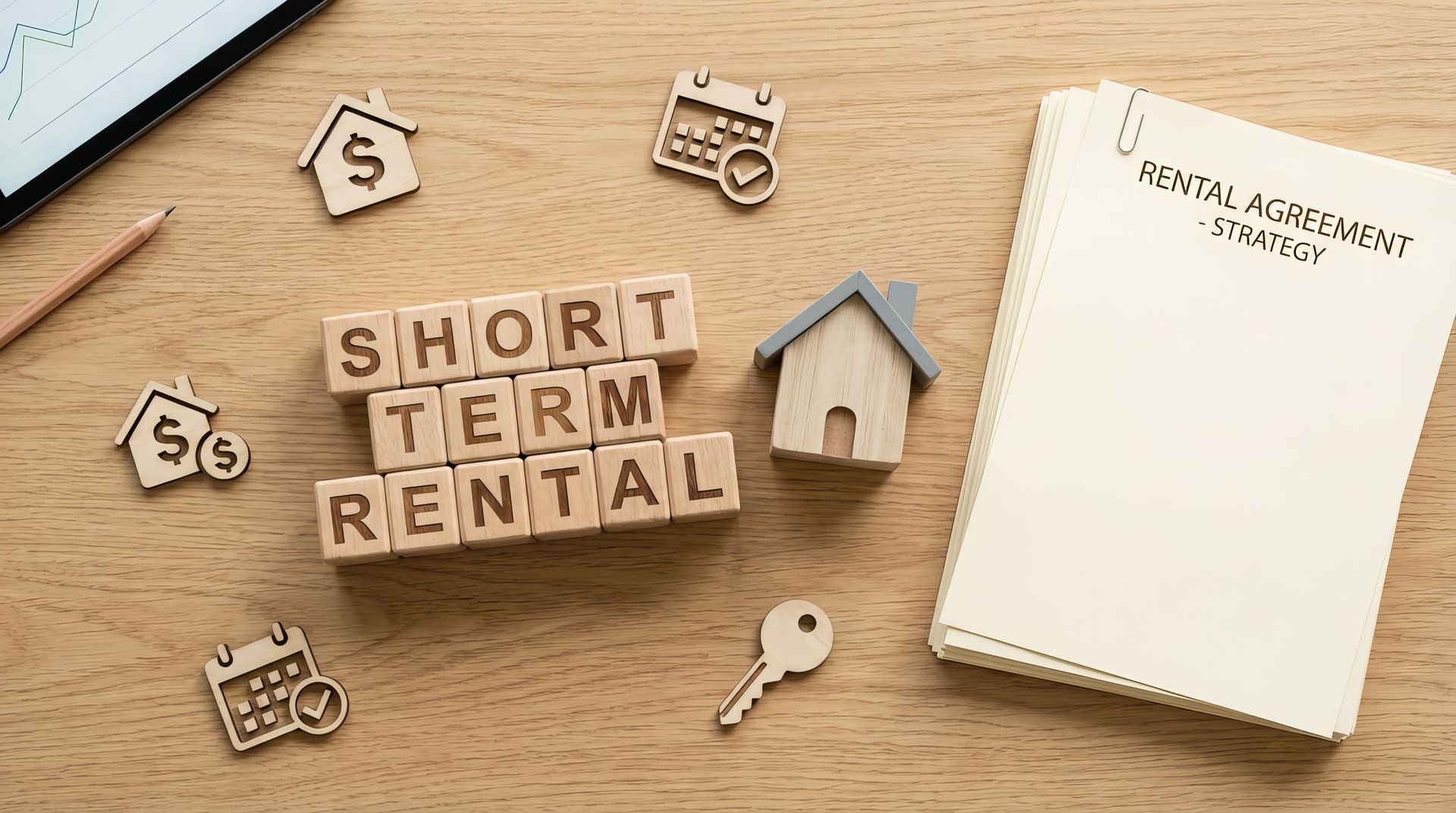
Owning a short-term rental can look simple from the outside: list the property, welcome guests, collect revenue, and repeat.
In practice, managing a short-term rental involves much more than keeping a calendar updated. Owners may need to respond to guest messages, coordinate cleanings, handle maintenance issues, adjust pricing, monitor reservations, resolve problems, and prepare the property for the next guest.
The amount of time required varies by property, booking volume, systems, and how much of the work the owner handles personally. A property with frequent bookings and regular guest turnover can require significantly more attention than one with fewer reservations.
How Much Time Does It Take to Manage a Short-Term Rental?
There is no single number of hours that applies to every short-term rental. The time commitment depends on factors such as:
- Number of reservations
- Average length of guest stays
- Property size
- Number of guests
- Cleaning and turnover requirements
- Maintenance needs
- Guest communication volume
- Pricing and demand changes
- Booking platform requirements
- Whether the property is managed remotely
- How much work is outsourced
An owner who handles everything personally may spend time on the property every day, even when there is no physical problem to solve.
The bigger issue is not simply how many hours a short-term rental takes each week. It is how often those tasks require you to be available.
What Tasks Take the Most Time?
Short-term rental management involves a combination of recurring administrative work, guest-facing responsibilities, property operations, and unexpected problems.
The major responsibilities include:
- Guest communication
- Cleaning and turnover coordination
- Maintenance and repairs
- Pricing and calendar management
- Check-ins and checkouts
- Guest issue resolution
- Property inspections
- Supplies and inventory
- Reviews and guest follow-up
- Emergency and after-hours response
Some tasks take only a few minutes individually. The challenge is that they occur repeatedly throughout the month and sometimes at inconvenient times.
Guest Communication Can Take More Time Than Expected
Guests may have questions before, during, and after their stay.
Common questions can involve:
- Check-in instructions
- Parking
- Wi-Fi
- House rules
- Appliances
- Directions
- Local information
- Checkout procedures
- Problems inside the property
Some questions can be answered with automated messages or a well-organized guest guide. Others require an actual response.
A guest who cannot access the property at 10 p.m. does not necessarily care that the owner is finished working for the day.
That is one reason availability matters as much as total hours.
Cleaning and Turnover Coordination
Every checkout creates another operational task.
Someone needs to make sure the property is cleaned, inspected, restocked, and ready for the next arrival.
Turnover responsibilities may include:
- Scheduling cleaners
- Confirming the cleaning was completed
- Checking for damage
- Replacing linens and towels
- Restocking supplies
- Reporting maintenance issues
- Addressing problems before the next guest arrives
When turnovers happen close together, coordination becomes particularly important.
A cleaning delay or maintenance problem can affect the next reservation if it is not discovered and addressed quickly.
Maintenance and Repairs
Short-term rentals experience normal wear and occasional unexpected problems.
An owner may need to deal with:
- Plumbing issues
- HVAC problems
- Appliance failures
- Lock or access problems
- Electrical issues
- Damaged furniture
- Broken fixtures
- Internet problems
- Water leaks
The time commitment is not limited to making a repair.
You may need to identify the problem, find someone who can address it, coordinate access, communicate with the guest, review the work, and determine whether the property is ready for the next reservation.
Pricing and Calendar Management
Short-term rental pricing is not necessarily something an owner can set once and forget.
Demand can change based on:
- Season
- Weekday versus weekend demand
- Local events
- Holidays
- Booking patterns
- Competition
- Lead time
- Property availability
Owners may need to monitor rates, adjust availability, manage minimum stays, and make decisions about when to accept or change reservations.
The amount of work involved depends heavily on how actively the property is being managed and what pricing systems are being used.
Check-Ins, Checkouts, and Guest Issues
Even properties with self-check-in can require owner attention.
A guest may have trouble with:
- Door codes
- Smart locks
- Parking
- Access instructions
- Finding the property
- Using appliances
- Understanding house rules
After checkout, the property also needs to be checked for cleanliness, damage, missing items, and maintenance problems.
A smooth process can reduce the amount of time required, but it does not eliminate the responsibility.
Handling Emergencies and After-Hours Problems
This is one of the biggest differences between short-term rental management and simply owning a long-term rental.
Short-term rental guests are staying in your property temporarily, so problems can occur at any time.
Examples include:
- A guest locked out of the property
- A heating or cooling problem
- A plumbing emergency
- A power issue
- A broken appliance
- A security concern
- Significant guest-caused damage
An owner managing the property personally needs a plan for dealing with these situations, including when they happen outside normal working hours.
How Much Time Does a Short-Term Rental Take Each Week?
The weekly time commitment can vary substantially.
A property with few bookings and reliable systems may require relatively little active management during some weeks. A busy property with frequent turnovers, guest questions, maintenance needs, and pricing adjustments can require considerably more attention.
It can be useful to think about the work in categories rather than assigning one universal number of hours.
| Management responsibility | What can be involved |
|---|---|
| Guest communication | Questions, instructions, problems, follow-up |
| Turnovers | Cleaning, inspections, restocking |
| Maintenance | Troubleshooting, scheduling, repairs |
| Reservations | Calendar management and booking coordination |
| Pricing | Monitoring demand and adjusting rates |
| Property operations | Supplies, vendors, inspections |
| Emergencies | After-hours problems and urgent responses |
| Reviews | Monitoring and responding to guest feedback |
The more reservations and operational activity a property has, the more frequently these tasks can arise.
What Changes as You Manage More Than One Property?
The workload does not simply increase because you have more properties. It can also become more complicated.
With multiple short-term rentals, you may have:
- Multiple calendars
- More guest conversations
- More cleaning schedules
- More maintenance requests
- More inventory to monitor
- More vendor coordination
- More pricing decisions
- More opportunities for overlapping problems
One property may be manageable alongside a full-time job. Managing several properties can become a much larger operational responsibility.
Systems and automation can help, but someone still needs to monitor those systems and deal with exceptions when something goes wrong.
Can You Manage a Short-Term Rental While Working a Full-Time Job?
Yes, some owners successfully manage short-term rentals while working other jobs.
The question is whether the required availability fits your schedule. A short-term rental may be difficult to manage personally if:
- You work long or irregular hours
- You live far from the property
- You cannot respond quickly to guest issues
- You travel frequently
- You do not have reliable cleaners or contractors
- You do not want to handle after-hours problems
- You own multiple short-term rentals
Technology can automate some routine tasks, but it cannot eliminate every operational responsibility.
What About Managing a Short-Term Rental From Out of State?
Remote ownership is possible, but distance can make operational problems more difficult.
If you live several hours away from the property, you may not be able to personally:
- Inspect the property
- Meet a contractor
- Respond to an urgent maintenance issue
- Check a turnover
- Replace supplies
- Deal with a lock or access problem
A reliable local network of cleaners, maintenance providers, and other vendors can help.
Professional short-term rental management is another option for owners who want local operational support without handling these responsibilities themselves.
When Does Professional Short-Term Rental Management Make Sense?
Professional management may make sense when the time and responsibility involved in operating the property no longer fit the owner's goals or schedule.
Owners may consider professional management when they:
- Live outside the area
- Have multiple properties
- Work full time
- Travel frequently
- Want help with guest communication
- Do not want to coordinate turnovers
- Prefer not to handle maintenance calls
- Need help managing the property after hours
- Want a local team handling day-to-day operations
The decision should not be based only on management fees.
Owners should compare the cost of management with the time, availability, vendor coordination, guest communication, and operational responsibility they would otherwise handle themselves.
What Should You Ask a Short-Term Rental Manager About Their Services?
If you are considering professional management, ask exactly what the management company handles.
Useful questions include:
- Who communicates with guests?
- Who handles after-hours guest issues?
- How are cleanings and turnovers coordinated?
- Who handles maintenance requests?
- How are repairs approved?
- Who monitors the property's calendar?
- How is pricing managed?
- How are guest complaints handled?
- How are guest-caused damages documented?
- What does the management fee include?
- Are there additional management or service fees?
- How often will the owner receive updates?
A clear management agreement should explain what is included, what costs extra, and what responsibilities remain with the property owner.
How Turn Key Stays Helps Owners Reduce the Management Workload
Turn Key Stays provides full-service short-term rental management for owners who want help with the day-to-day operation of their properties.
Management can include the operational responsibilities that otherwise require an owner to stay involved, such as guest communication, turnovers, property care, and ongoing rental operations.
For owners evaluating professional management, the important question is not simply whether someone else can perform individual tasks. It is whether the management service can take responsibility for the ongoing coordination required to operate the property.
If you are considering professional management, Turn Key Stays can provide a pro forma to help you evaluate the potential of your property.
Frequently Asked Questions
How much time does it take to manage a short-term rental?
There is no universal number of hours. The time required depends on booking volume, turnovers, property size, guest communication, maintenance, pricing, and whether the owner handles the work personally.
Is managing a short-term rental a lot of work?
It can be. The workload includes recurring tasks such as guest communication and turnovers as well as unexpected maintenance and emergency issues.
Can I manage a short-term rental by myself?
Yes. Some owners manage their properties themselves using technology, automated messaging, local vendors, and established operating procedures. The right approach depends on the property and the owner’s availability.
Can I manage a short-term rental while working full time?
It is possible, but owners should consider whether they can respond to guest questions, coordinate turnovers, and handle unexpected problems while maintaining their other responsibilities.
Is a short-term rental harder to manage than a long-term rental?
The management responsibilities are different. Short-term rentals generally involve more frequent guest turnover, cleaning coordination, guest communication, and ongoing pricing and calendar management.
Does professional short-term rental management save time?
Professional management can take many recurring operational responsibilities off an owner’s schedule. The amount of time saved depends on the services provided and how involved the owner was before hiring a manager.
Is short-term rental management worth paying for?
That depends on the property’s revenue potential, management costs, owner’s time, and desired level of involvement. Owners should evaluate the full cost of self-management rather than looking only at the management fee.
The Real Cost of Managing a Short-Term Rental Is More Than the Hours
Managing a short-term rental is not simply a matter of answering messages and arranging cleaning.
It requires ongoing attention to guests, reservations, property condition, maintenance, turnovers, pricing, and unexpected problems. For some owners, that workload is manageable. For others, professional management provides a practical way to stay invested in the property without handling every operational task personally.
Before deciding how to manage your property, consider both the time involved and the level of availability the property requires.
If you want to see what professional short-term rental management could look like for your property, request a pro forma from Turn Key Stays.