How to Price a Short-Term Rental: A Practical Guide to Dynamic Pricing
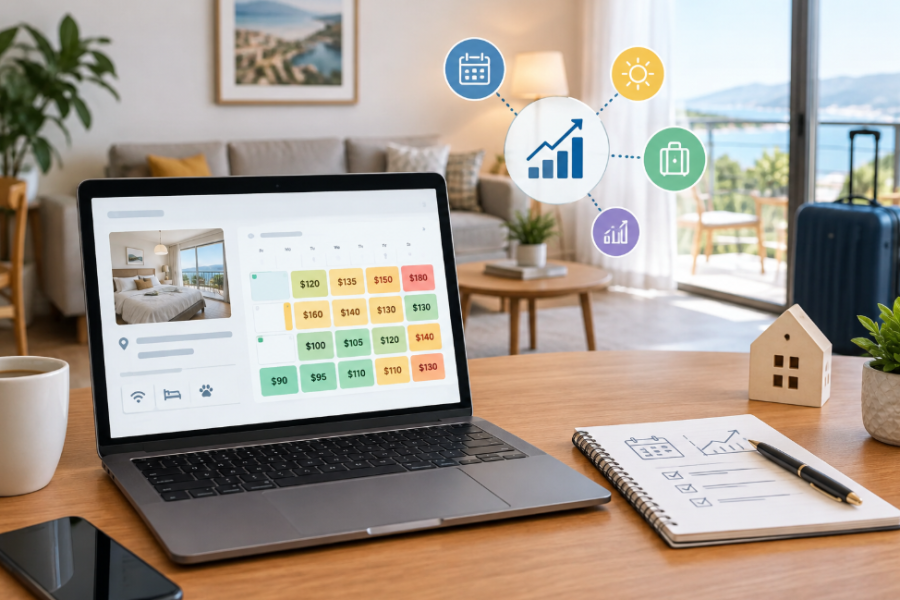
Setting the right nightly rate is one of the most important decisions a short-term rental owner makes. Price too high, and your property may sit vacant. Price too low, and you could leave revenue on the table.
Successful short-term rental pricing is not about choosing one number and leaving it unchanged for months at a time. Markets shift, demand changes, and guest behavior varies throughout the year. A pricing strategy that works during peak season may not perform the same way during slower periods.
Whether you own a property in St. Charles, St. Peters, O’Fallon, Wentzville, Lake St. Louis, or another nearby community, understanding how dynamic pricing works can help improve occupancy and support stronger long-term performance.
What Is Dynamic Pricing?
Dynamic pricing is the process of adjusting nightly rates based on current market conditions rather than using a fixed rate year-round.
Professional short-term rental managers often evaluate factors such as:
- Seasonal demand
- Local events and festivals
- Day of the week
- Nearby property performance
- Booking lead times
- Occupancy trends
- Holidays and school breaks
- Length of stay
The goal is to balance occupancy and nightly revenue rather than focusing on one metric alone.
Platforms such as Airbnb offer pricing tools that can automatically adjust nightly rates based on factors such as demand, listing characteristics, and local market conditions. Airbnb: Use Smart Pricing to automatically adjust your prices based on demand
Why Fixed Pricing Can Limit Performance
Many owners start with a simple pricing strategy and keep the same rates for extended periods. While straightforward, fixed pricing can miss opportunities during high-demand periods or reduce competitiveness during slower times.
For example:
- A busy summer weekend may support higher rates.
- A major local event may increase demand.
- Midweek dates may require different pricing than weekends.
- Last-minute openings may benefit from rate adjustments.
Pricing flexibility allows a property to respond to changing conditions.
Factors That Influence Short-Term Rental Pricing
Seasonality
Demand often changes throughout the year. Summer travel, holidays, local events, and school schedules can all affect booking activity.
Communities throughout St. Charles County may experience fluctuations depending on:
Understanding seasonal patterns can help owners make informed pricing decisions.
Location
Properties near historic districts, shopping areas, event venues, recreational amenities, or major highways may attract different types of guests.
A home in downtown St. Charles may perform differently than a property near Lake St. Louis or Wentzville.
Property Features
Guest expectations also influence pricing.
Features that may affect demand include:
Small upgrades can sometimes improve guest appeal and support stronger booking performance.
Length of Stay
Offering discounts for longer stays can help improve occupancy and reduce turnover costs.
Owners may consider:
These adjustments can help maintain booking consistency throughout the year.
Understanding Occupancy vs. Nightly Rate
Higher rates do not always produce higher revenue.
For example:
| Strategy | Nightly Rate | Occupancy |
|---|---|---|
| Higher Rate | $250 | 45% |
| Balanced Rate | $215 | 70% |
In some situations, a balanced pricing strategy can lead to stronger overall monthly revenue.
The objective is often to find the point where pricing and occupancy work together.
Common Pricing Mistakes Owners Make
Short-term rental owners sometimes:
- Use the same rates year-round
- Ignore local demand changes
- Overprice slower periods
- Underprice peak dates
- Avoid reviewing competitors
- Set rates based only on personal preference
Pricing decisions are more effective when based on market conditions and performance trends.
How Professional Management Supports Pricing
Dynamic pricing involves more than adjusting rates occasionally. Effective pricing often requires ongoing review of:
- Market demand
- Booking pace
- Occupancy trends
- Local events
- Competitive properties
- Seasonal changes
At TurnKey Stays, our team continuously monitors market activity to help owners position their properties competitively while balancing occupancy and revenue goals.
We combine pricing strategies with listing optimization, guest communication, cleaning coordination, maintenance management, and day-to-day operations so owners can take a more hands-off approach.
Looking for Professional Short-Term Rental Management?
Pricing is only one part of a successful short-term rental strategy.
TurnKey Stays provides full-service short-term rental management for owners in St. Charles, St. Peters, O’Fallon, Wentzville, Lake St. Louis, and surrounding communities.
Hand us the key. Keep the income.
Request your free pro forma today to learn how professional management can help support your property’s performance.
Frequently Asked Questions
How often should short-term rental pricing change?
Pricing may change frequently depending on market demand, seasonality, local events, and booking activity.
What is dynamic pricing for short-term rentals?
Dynamic pricing is a strategy that adjusts nightly rates based on changing market conditions rather than using one fixed rate year-round.
Does lowering prices always increase bookings?
Not necessarily. Successful pricing balances occupancy and nightly revenue while considering local demand.
Can professional management help with pricing?
Yes. Professional management companies often monitor market trends, occupancy, and competitor activity to make ongoing pricing adjustments.